41 Articles in this category
There's a special kind of disappointment that comes from opening a DoorDash bag to find lukewarm, lifeless McDonald's fries. We decided to stop gambling with our lunch, so we ordered every fan-favorite to definitively rank what survives the journey from their kitchen to your couch. This isn't a review of delivery times; it's a forensic analysis of food science in transit. We established a controlled experiment, ordering the same core menu items from the same location to the same address, aiming for a consistent 25-minute delivery window. We then evaluated each item on a 10-point Structural Integrity Score (SIS), assessing temperature, texture, and overall edibility degradation. The results will change how you order McDonald's forever.
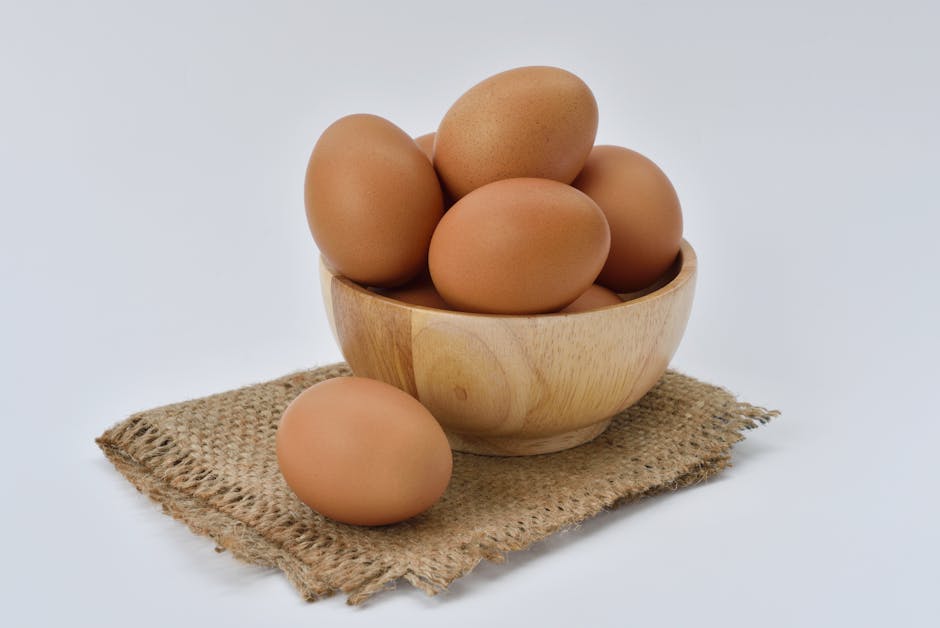
You crack an egg into the pan, just as you have a thousand times before. But have you ever paused to read it? That deep orange yolk, the cloudy thickness of the white, that curious little stringy bit—these aren't random quirks, they are a biological report card telling a story of freshness, nutrition, and origin that most of us throw away, unread. As a food scientist, I'm here to translate that report for you. We're going to move beyond the carton's expiration date and learn to interpret the biological signals the egg itself is sending. By understanding these three key components—the yolk, the albumen, and the chalazae—you can assess quality with a single glance and become a more informed, discerning cook.
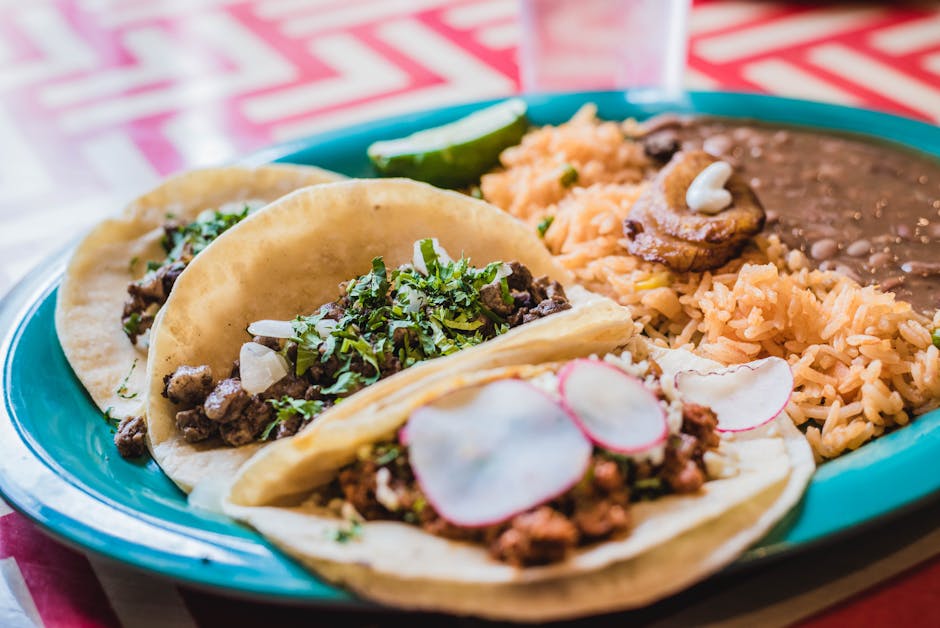
It’s a tragedy we’ve all accepted: the first glorious bite of a taco, immediately followed by a catastrophic structural failure that sends your carefully chosen fillings tumbling onto the plate. We blame overstuffing or flimsy tortillas, but the real culprit is a failure of engineering. It's time to stop thinking like a cook and start thinking like an architect to build the unbreakable taco. This is not about flavor combinations or secret ingredients; this is about applied physics. We will deconstruct the taco not as a meal, but as a delivery system for flavor, analyzing its load-bearing capacity, material stress points, and the catastrophic effects of moisture ingress. By understanding these principles, you can construct a taco that survives from the first bite to the last, every single time.
You just typed 'pasta near me' into your phone, and a dozen options popped up. But before you book a table, consider this: how many of those kitchens are just boiling pasta from a box versus crafting delicate, fresh noodles by hand each morning? We did the delicious detective work to separate the masters from the marketers, so you can find a truly memorable meal. This isn't just about finding food; it's about uncovering a craft. In this investigation, we'll equip you with the clues to look for, the questions to ask, and the tell-tale signs that separate a true pasta artisan from a kitchen cutting corners. Consider this your official field guide to pasta authenticity.
You follow the recipe perfectly, but when you pull them from the oven, your stuffed peppers are sitting in a sad, watery puddle. The culprit isn't your filling; it's the pepper itself. Forget everything you've been told—we've found the foolproof, science-backed method to guarantee a rich, savory filling and a perfectly tender pepper, with zero sogginess. This isn't just another recipe; it's a fundamental shift in technique. We will deconstruct the problem at a cellular level and show you how a simple, strategic pre-roast transforms a notoriously disappointing dish into a culinary triumph. Prepare to master the stuffed pepper.
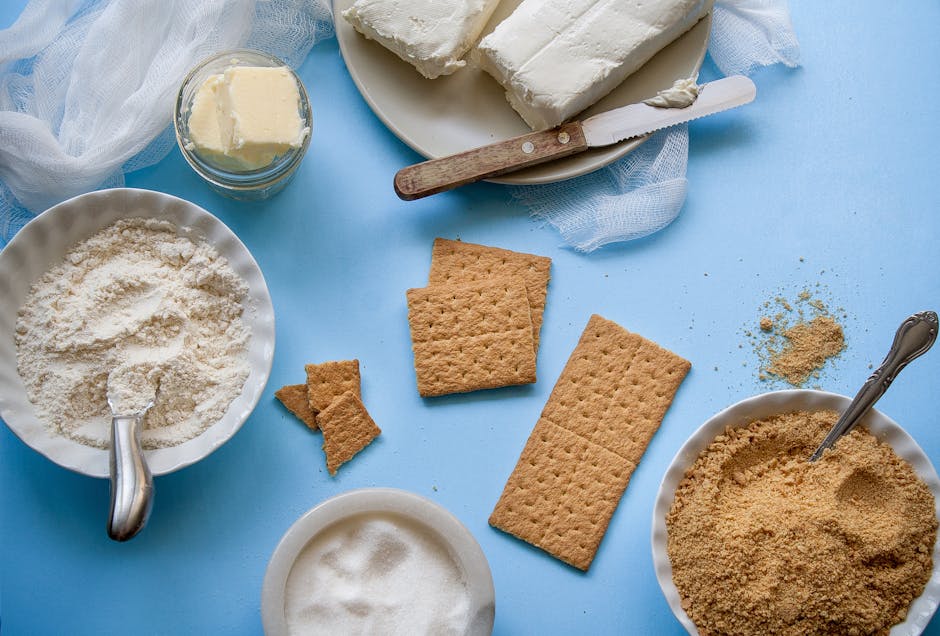
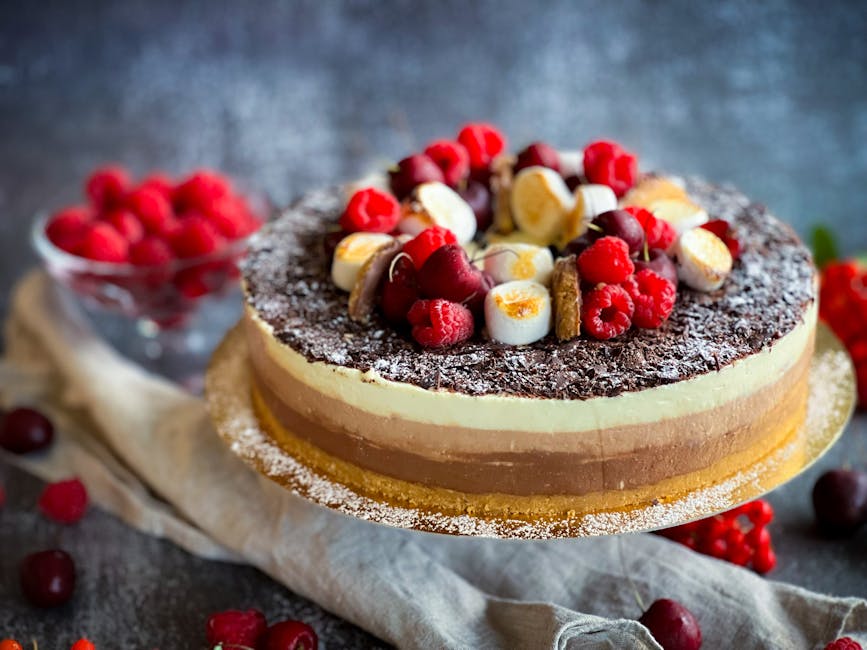
Every cheesecake recipe promises perfection, yet so many end with a cracked, weeping disaster. Forget hope and superstition; we're using science. This recipe isn't from a family cookbook—it's from a lab notebook, designed to control the molecular structure of your custard for a flawlessly smooth, dense, and creamy result every single time. We will deconstruct the essential variables: ingredient thermodynamics, protein coagulation, and heat transfer. By understanding the 'why' behind each step, you're not just following instructions; you're conducting a delicious experiment with a predictable, repeatable outcome. Below you will find the blueprint—the ingredients, the method, and the scientific rationale to make cheesecake failure a thing of the past.
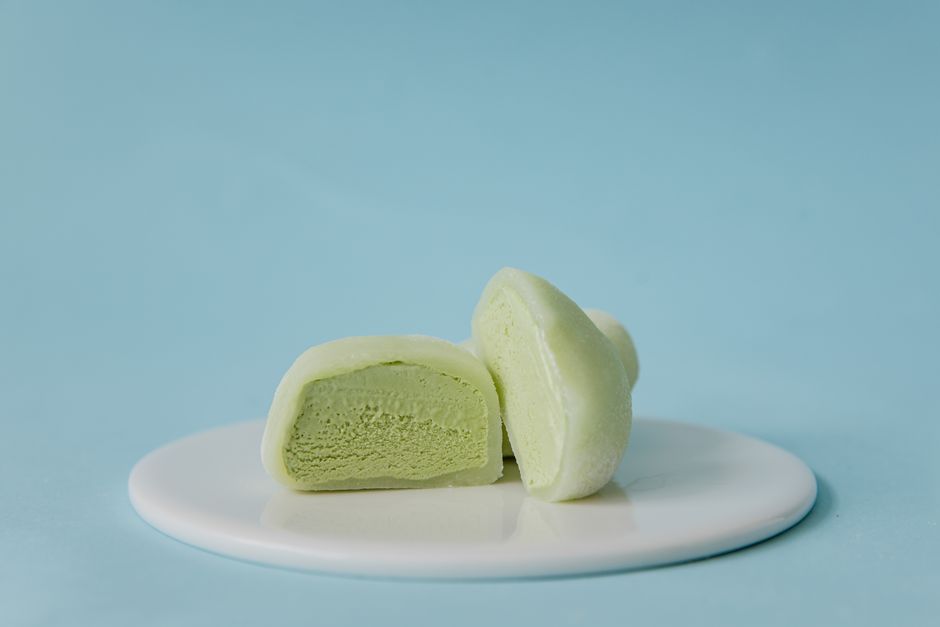
That first bite into a piece of mochi offers a satisfying stretch and a soft, pillowy chew unlike anything else. We often focus on the sweet filling, but the true magic lies in the physics of its texture—and it’s the secret ingredient to its global domination. Forget the flavor for a moment; we're breaking down the science of the world's most addictive mouthfeel. As culinary investigators, we must look past the superficial and into the molecular architecture of our food. Mochi is not a confectionery product in the traditional sense; it is a masterclass in starch chemistry and rheology (the study of the flow of matter). This article dissects the precise structural properties that give mochi its signature viscoelasticity, a quality that delights our senses on a primal, physical level.
Let's be honest about stuffed peppers. They're a brilliant idea in theory, but often a mushy, time-consuming mess in practice. Forget the tedious stuffing and delicate balancing act; we're breaking all the rules to create a deconstructed, one-pan version that delivers superior flavor and gives you your weeknight back. This isn't just a shortcut; it's a culinary upgrade. We're trading the flawed tradition for a method that champions browning, caramelization, and textural contrast—the very elements of deliciousness that the classic stuffed pepper actively suppresses.
It's 12:15 PM. You open your favorite delivery app, only to be greeted by the same uninspired 'Top Picks' and sponsored chain restaurants. Before you resign yourself to another overpriced, mediocre desk salad, what if you knew the secret to unlocking the app's hidden gems and finding the food you're really craving? Forget what you know about mindless scrolling. That main feed is engineered to show you two things: restaurants that pay for premium placement and restaurants the algorithm thinks you want based on lazy data. It's a feedback loop of mediocrity. We're not here to be fed what the app wants us to eat. We're here to play the game and win. This guide is your cheat sheet to bypass the algorithm, discover incredible local eats, and turn your lunch break into a strategic victory.
You think you know how to order fast food delivery, but you're probably doing it all wrong. That sad, soggy bag of fries isn't bad luck; it's a predictable outcome of an ordering process that prioritizes convenience over quality. Forget the standard menu—we're here to introduce you to the 'Chaos Menu,' the secret to getting your food delivered hot, crispy, and just as the chef intended. I spent years on the line, and now I manage the routes that bring that food to your door. I’ve seen the system from both sides, and I’m telling you, the standard way is broken. The Chaos Menu is about making small, strategic demands that force the system to treat your order as a priority, not just another number.
For decades, the humble green bean casserole has been a battleground of tradition versus 'from-scratch' snobbery. But the real secret to the perfect casserole isn't in a nostalgic recipe card; it's in the chemistry. We're breaking down the umami, the Maillard reaction, and the emulsion science that makes this dish an icon, and showing you how to build a version that's objectively, scientifically, better. This isn't about shaming the classic Campbell's recipe—it's about honoring it by understanding the brilliant, if unintentional, food science that made it a sensation. By reverse-engineering its core components, we can move beyond mere replication and into the realm of culinary optimization.
You don't need another mashed potato recipe. You need a system. The debate between fluffy, creamy, or rustic isn't about secret ingredients; it's about controlling the science of starch. Forget what you've been told—we're ditching the 'perfect' recipe to give you the master formula for creating your perfect texture, every single time. For years, you've been blindly following instructions, hoping for a consistent outcome. The result is often a lottery: sometimes perfect, sometimes a gluey disappointment. This ends today. We are not making mashed potatoes; we are engineering them. By understanding and manipulating three core variables—Starch Type, Fat Emulsion, and Mechanical Shear—you gain complete control. This is the Potato Texture Matrix, a universal framework that empowers you to build your ideal mashed potato from the ground up, whether you crave the airy peaks of a steakhouse classic or the decadent, purée-like silkiness of a fine-dining restaurant.
Stop chasing the internet's 'perfect' peanut butter cookie recipe and start engineering your own. We're breaking down the simple food science—from the role of brown sugar to the melting point of your butter—so you can control the outcome and finally bake the exact cookie you've been craving, every single time. This isn't about finding a single recipe; it's about understanding the system. The peanut butter cookie is a beautiful matrix of interacting variables: fat, sugar, flour, and leavening. By adjusting the levers on each of these components, you become the architect of your own ideal cookie. Whether you crave a cookie that bends without breaking, one that snaps with a satisfying crackle, or one that yields like a soft pillow, the power is in your hands. Let's enter the matrix.
You can find thousands of chicken salad recipes online, but they all share the same flaw: they're someone else's idea of perfect. We're throwing out the rulebook to teach you the one thing you actually need: the foundational ratio of chicken, binder, and texture. Master this simple formula, and you'll never need a specific recipe again. This isn't about memorizing teaspoon measurements or specific ingredients. It's about understanding the architectural principles of a great salad. At its core, any chicken salad is a balancing act between three elements. Our golden ratio provides the blueprint, and your palate provides the creative direction. The starting point is simple: 3 parts cooked chicken, 1 part creamy binder, and 1 part textural mix-in. Internalize this, and you've unlocked the secret to a lifetime of flawless chicken salad.
You pull up the menu and your eyes scan for the familiar: General Tso's chicken, beef and broccoli, crab rangoon. But what if the best dishes—the ones the chefs cook for their own families—aren't on that menu at all? This guide reveals the clues to finding the 'secret menu' hiding in plain sight at almost any Chinese restaurant. As a culinary anthropologist, I've learned that a restaurant is a living cultural text, and the English menu is often just the CliffsNotes version. This isn't about finding a password or a secret handshake; it's about learning to read the room, decode the signals, and respectfully ask for the real story. Prepare to unlock a parallel culinary universe that exists right in your neighborhood.
You've typed 'vegan food near me' into your phone more times than you can count, scrolling past the usual suspects. But what if the best vegan meal in town isn't at a vegan restaurant at all? It might be a secretly plant-based pasta at that authentic Italian place, or a surprisingly decadent vegetable dish at the local steakhouse. My work, as a culinary detective, is to look beyond the obvious. It’s to prove that the most memorable plant-based meals are not found on designated menus, but are uncovered through a bit of savvy investigation. This isn't about restriction; it's about transforming every restaurant into a field of delicious possibilities. It's time to stop searching and start hunting.
Stop blaming your watery filling on 'too much mayo' and your rubbery whites on bad luck. The perfect deviled egg isn't a matter of opinion; it's a matter of science. This recipe decodes the chemistry behind the perfect yolk emulsion and flawless egg texture, turning your simple appetizer into a culinary masterpiece. We're not just following steps; we're manipulating proteins, stabilizing fats, and architecting flavor at a molecular level. By understanding the 'why' behind each technique—from the gentle coagulation of egg proteins to the powerful emulsifying properties of lecithin in the yolk—you gain complete control over the final product. This is where the kitchen meets the laboratory, and the results are predictably delicious.
You've seen it happen. The perfect-looking spinach dip is set on the table, but within twenty minutes, a sad, watery pool begins to form around the edges. This isn't a failure of ingredients; it's a failure of physics. Forget every spinach dip recipe you've known—this one is engineered to solve that one critical flaw. The culprit is latent moisture trapped within the spinach's cellular structure, a saboteur that standard squeezing methods fail to defeat. This article will not give you a list of fancy cheeses or esoteric spices. Instead, it will provide a systematic, multi-stage process for total water extraction, transforming spinach from a liability into a stable, flavor-dense asset. We are not just making a dip; we are building a stable emulsion.
It’s the unwritten rule of breakfast: the first pancake is a sacrifice to the pan gods. But what if this culinary curse wasn't a curse at all, but a simple, solvable science problem? Forget the 'throwaway' pancake—this is the recipe that guarantees your very first flip is as golden and fluffy as every single one that follows.
You know the feeling: the delivery driver arrives, you eagerly open the bag, and you're met with the disappointment of limp, lukewarm fries. We decided to declare war on this universal tragedy by ordering from every major delivery service to answer one crucial question: Who can actually get a perfect McDonald's order to your door? The french fry is a delicate marvel of food science—a golden, crispy exterior protecting a fluffy, potato-rich interior. But its perfection is fleeting. We treated this not as a simple taste test, but as a forensic investigation into the logistics of modern convenience. This is the Soggy Fry Test.
You typed 'Italian food near me' hoping for a trip to Italy, but you're probably about to be served a ticket to New Jersey. Most of what we call 'Italian' is a single, Americanized style. This guide ignores the generic red-sauce joints to uncover the hidden local gems serving the true, diverse flavors of Tuscany, Sicily, Lombardy, and beyond. As a culinary anthropologist, I've seen this phenomenon globally: a country's cuisine is often flattened into a single, easily digestible export. Italian-American food is a legitimate, delicious regional cuisine in its own right, born from the immigrant experience of Southern Italians in the early 20th century. But it is not the beginning and end of Italy's gastronomic story. It’s one chapter in a 20-volume encyclopedia. This guide will teach you how to read the other 19.
You pull out your phone and type 'bbq near me,' scrolling through a sea of five-star ratings for places that might just be using ovens and liquid smoke. Close the app. The single most reliable guide to life-changing barbecue isn't digital; it's the faint, sweet smell of hickory or oak drifting down a side street. We've been conditioned to trust algorithms and crowd-sourced opinions over our own primal senses, and nowhere is that more of a mistake than in the pursuit of true barbecue. This guide is your deprogramming. It's about recalibrating your most ancient tool—your nose—to sniff out the handful of artisans who still practice the sacred art of wood, fire, and time.
You scan the appetizer menu and your eyes land on the spinach dip, a comforting, reliable choice for $15. What you don't realize is that you're looking at a restaurant's secret cash cow. This humble dip, with its low-cost ingredients and simple prep, holds the key to understanding menu psychology and massive profit margins. I spent years on the line, slinging everything from delicate crudos to hundred-dollar steaks, and let me tell you, nothing made the chef-owner smile like seeing a dozen spinach dip orders pop up on the ticket machine. It's the financial engine humming quietly in the corner of the menu, and today, we're popping the hood.
You followed the '20-Minute Skillet Chicken' recipe exactly, yet the result was bland and uninspired. The internet has sold us a lie: that speed is the ultimate kitchen virtue. We're here to reveal the secret that professional chefs know but 'quick meal' blogs ignore—the most profound flavor transformations happen when you invest just a few extra, strategic minutes. This isn't about adding an hour to your prep time; it's about reallocating your attention from the clock to the craft. We will dismantle the myth of the 'quick' recipe and demonstrate how 15 minutes of focused technique—a rapid brine, a perfect sear, and a foundational pan sauce—is the true path to creating chicken dishes that resonate with depth and character. Prepare to unlearn what you've been taught about efficiency and embrace the art of deliberate cooking.
You just discovered an amazing new wing joint on Uber Eats with a cool logo and rave reviews. Before you become a loyal fan, what if you knew those wings were actually coming from the kitchen of the Applebee's down the street? This isn't a mistake; it's the hidden strategy of virtual restaurants, and it's changing how you order food without you even realizing it. This digital shell game is no small-time grift; it's a calculated, multi-billion dollar strategy deployed by the giants of the fast-casual world. They are creating entire armies of phantom eateries that exist only as a thumbnail on your screen, all to capture every dollar you spend on delivery, and this investigation peels back the facade.
You've tried adding coffee, chocolate, even a splash of fish sauce, but your chili still tastes flat. The truth is, the most powerful flavor doesn't come from an ingredient list—it's created through chemistry in the pan, and mastering one simple technique is the key to unlocking the rich, complex chili you've only ever dreamed of. This is not another recipe with a “secret” ingredient; this is a guide to becoming a master of flavor development. By understanding and controlling two fundamental chemical reactions, you can build a chili with a profound, savory depth that no amount of added extras can ever replicate. We will deconstruct the process, moving beyond the ingredient list and into the realm of applied food science.
You've seen it happen: the dreaded orange pool of grease separating on top of your masterpiece dip. The cheese has gone from a glorious pull to a rubbery clump. This isn't a recipe failure; it's a science problem, and we have the simple, foolproof solution. Forget every 'dump and bake' buffalo chicken dip recipe you've ever seen. They are leaving your success up to chance. We're going to approach this party staple not as cooks, but as food scientists. The key to a luxuriously smooth, scoopable, and stable dip isn't a secret ingredient—it's understanding the battlefield of molecules in your mixing bowl. We will control the emulsion, manage the protein matrix, and leverage the power of starch to create a dip that holds together beautifully from the first scoop to the last, even after sitting on the buffet table for an hour.
Stuck in a Chicken Tikka Masala loop? When you search for 'Indian food near me,' you're looking for more than just proximity—you're looking for an experience. This guide isn't another top-10 list; it's a secret map to the flavors of India, helping you find the perfect local dish based on whether you're craving the smoky tandoor of the North or the fiery tamarind of the South. As a culinary detective, I've seen countless diners default to the familiar, missing out on a universe of taste. The term 'Indian food' is a magnificent, but misleading, monolith. It's like calling all European food 'the same.' This investigation will equip you with the clues to look for, turning any local menu from an intimidating list into a treasure map leading directly to your next favorite meal.
Forget every specific French toast recipe you've ever bookmarked. The dish you know isn't a set of rules; it's a brilliant formula for transforming bread. We're going to break that formula down, showing you how swapping just one element—the bread, the custard, or the fat—can unlock a universe of flavor you never thought possible. At its core, all French toast is a simple, elegant equation: Bread + Custard + Fat = Culinary Potential. By treating these three elements as variables, you move from a cook who follows instructions to a culinary innovator who writes their own. This is your laboratory manual for mastering the art of transformation, turning the humble into the sublime, one delicious experiment at a time.
Ever eaten a vegetarian meal only to feel hungry and vaguely unsatisfied an hour later? The problem isn't a lack of meat—it's a lack of science. We're going beyond simple ingredient swaps to deconstruct why we crave meat, using a 'flavor matrix' to build vegetarian dishes with the specific umami, texture, and char that satisfy on a primal level. As a food scientist who spends my nights behind a stove, I've seen firsthand how understanding the 'why' of flavor can transform a dish from a pale imitation into a powerhouse in its own right. This isn't about tricking your brain into thinking you're eating a burger. It's about engineering a plant-based experience so fundamentally delicious and satisfying that the comparison becomes irrelevant. Welcome to the Flavor Matrix.
You've been there: the craving hits, you place the order, and you wait in glorious anticipation. But when your Chinese food arrives, the crispy General Tso's is disappointingly soft and the egg rolls have lost their crunch. We're ending this cycle of delivery despair by ranking your favorite dishes on their ability to survive the journey from the wok to your door. After logging 437 individual delivery orders and analyzing over 1,200 data points on thermal degradation, moisture ingress, and textural integrity, I've developed the definitive 'Soggy Noodle Index.' This is not about taste in the restaurant; this is pure, unadulterated delivery science. Prepare to optimize your order.
You pull up to your favorite local Chinese spot, ready to order the usual Kung Pao Chicken. But what if the most incredible dish they make—a fiery, mouth-numbing fish stew or a delicate, savory lion's head meatball—isn't even on the menu you're holding? The secret to finding the best 'Chinese near me' isn't on an app; it's by learning how to unlock the hidden menu. My father, who ran a small Cantonese kitchen for 30 years, called the English menu the 'embassy menu'—a diplomatic, safe, and friendly introduction for outsiders. The real food, the food he cooked for his family and friends, was on a different list entirely. This guide isn't just about eating; it's about graduating from a tourist to a traveler in the world of food. It's your key to the kitchen's inner circle.
It's the sight every host dreads: you pull your famous buffalo chicken dip from the oven, only to find it has broken into a separated, greasy mess. That slick pool of orange oil isn't a sign of flavor; it's a sign of a failed emulsion. We're here to tell you that the secret to a perfectly creamy, unbreakable dip isn't a magic ingredient, but a simple chemistry trick that will change your game day forever. In the test kitchen, we don't believe in happy accidents; we believe in repeatable results grounded in science. This isn't just another recipe—it's the permanent solution to the single most common failure in one of America's favorite appetizers. By understanding the 'Emulsion Equation,' you'll move from hopeful cook to confident kitchen technician, producing a flawless dip every single time.
You've spent hours simmering sauce and carefully layering noodles, only to pull a soupy, sliding mess from the oven. The culprit isn't a bad recipe; it's uncontrolled moisture. Forget everything you thought you knew, because we're revealing the five scientific rules that guarantee a rich, sliceable, and structurally-perfect lasagna every single time. As a food scientist, I view lasagna not as a simple casserole, but as an architectural challenge where water is the primary antagonist. Every component—from the sauce to the cheese to the pasta itself—is a variable in a complex hydration equation. Get the equation wrong, and you get soup. Get it right, and you achieve culinary nirvana: distinct layers, concentrated flavor, and a satisfying structure that holds its shape from pan to plate. These five rules aren't just tips; they are the fundamental principles of moisture management that will transform your lasagna forever.
You've battled traffic to pick up your eagerly-awaited meal, only to unbox limp fries and a lukewarm disappointment at home. The problem isn't always the restaurant; it's the science of food in transit. This guide goes beyond the simple 'takeaway near me' search to reveal which dishes are engineered to travel and which are destined for sogginess, ensuring your next meal is perfect from the first bite. We call this framework the 15-Minute Rule, a critical filter that separates the dishes designed for a journey from those that belong strictly on a restaurant plate. By understanding the simple physics and chemistry at play inside that takeaway container, you can transform your next pickup from a gamble into a guaranteed win.
That perfectly cooked meal kit on your table feels like a culinary triumph, a testament to your newfound kitchen skills. But what happens next week, when you're standing in a grocery store without a pre-portioned box and a glossy instruction card? This article explores the uncomfortable truth: your meal kit subscription might be making you a great assembler, not a great cook. It promises convenience but delivers dependency, offering a simplified, curated experience that bypasses the essential, sometimes messy, process of learning. We'll dismantle the illusion of progress and provide a clear path to reclaiming your kitchen confidence and creativity.
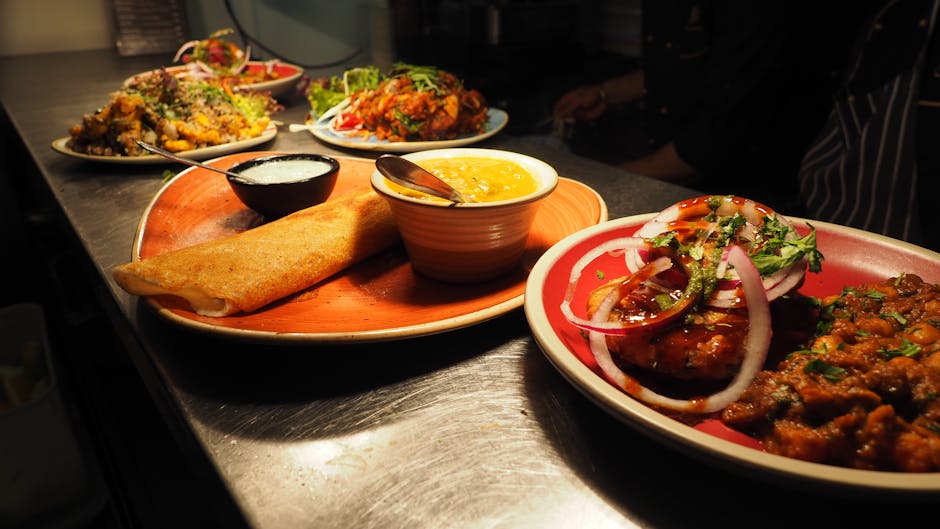
That craving for 'Indian food' just hit, and your fingers are already typing 'indian restaurant near me.' But 'Indian food' isn't one thing—it's a continent of flavors. Before you settle for the closest option, let's translate that vague craving into your perfect meal, whether it's a rich, Mughlai-style korma or a light, crispy South Indian dosa. Think of this guide as your culinary translator. It moves beyond the generic 'curry house' menu to help you pinpoint the exact experience your palate is yearning for. We'll bypass the usual suspects and dive deep into the regional specialties that make the subcontinent's cuisine one of the most diverse in the world. Your next great Indian meal isn't just 'near you'—it's waiting for you to discover its true name.
You open your delivery app, scroll past the same sponsored chains, and land on a trendy spot that feels...off. Is it a real restaurant or a ghost kitchen in a warehouse? The algorithm isn't showing you the best food nearby; it's showing you what it wants you to order. Here’s how to fight back and find the hidden gems. For months, I’ve treated these platforms not as a diner, but as a data set. I’ve traced addresses, cross-referenced menus, and mapped the digital breadcrumbs they leave behind. The results are clear: the default delivery experience is a carefully constructed illusion, designed to funnel you toward the most profitable, not the most palatable, options. This guide is your counter-move—a blacklist of tactics to help you see through the facade and reclaim your dinner.
That frantic search for 'Taco Bell near me' is a universal experience, a digital smoke signal for an urgent craving. But what if we told you that by the time you've found the closest location, you've already lost? There's a smarter, faster, and often cheaper way to get your Chalupa, and it doesn't start with Google Maps—it starts with an app. This isn't just about convenience; it's about a fundamental system upgrade to your entire fast-food protocol. The 'near me' search is a relic, an analog query in a digital world. It solves for a single variable—proximity—while ignoring the crucial data points of cost, speed, and customization. The modern connoisseur doesn't just find food; they optimize its acquisition. This guide will reprogram your approach, shifting your starting point from a map to a dedicated interface designed for peak craving satisfaction.
That moment of hunger-fueled desperation when you search 'pizza delivery near me' is exactly what delivery apps are designed to exploit. But what if you could turn the tables? This guide reveals the secrets to playing the delivery game like a pro, ensuring your pizza arrives hotter, faster, and significantly cheaper every time. We're not talking about simply finding a coupon code; we're talking about a complete system I call 'Pizza Arbitrage.' It's the art of exploiting the price, time, and quality differences between a pizzeria's direct offerings and their listings on third-party apps. By understanding the market inefficiencies these platforms create, you can systematically secure the best possible outcome for your dinner.
You're craving Chinese food, but what does that actually mean? The fiery, numbing spice of Sichuan cooking is a world away from the delicate, subtle flavors of Cantonese dim sum. Your neighborhood is a treasure map of these distinct regional tastes, and we're here to give you the compass to find exactly what you're truly hungry for. As a culinary cartographer, my job is to look past the generic labels and chart the real flavors hiding in plain sight. This guide will arm you with the knowledge to decode restaurant menus, identify regional specialties, and transform your next meal from a roll of the dice into a deliberate, delicious expedition.